From a Sermon given at the Winter Solstice Worship Service on December 22, 2024.
Thousands of years ago when life on Earth was just getting started, there were many types of human beings. Human animals did not come in just one flavor. There were a number of species of primates with what we think of as human features. The first stages of human evolution produced not only Homo Sapiens, but four or five other hominids such as Homo habilis, Homo erectus, and Neanderthals. It has always been a mystery about why all these different variations of humans disappeared in time, leaving only our present lineage. Why Homo Sapiens?
We now may have some answers to this mystery. Or at least we have finally developed a plausible theory, one that is gaining traction. Surprisingly, it came to us not from archaeology or anthropology. It came from researchers studying cancer.
As part of looking for cures for cancer, science has been looking closely at genetic programming, and the way evolution has of changing our genetic code over time.
In the past when we were searching to clues about cancer, researchers used to inject rats with cancer cells and look for ways to treat their resulting diseases. Thank God–literally–that there has been a shift in human consciousness, a recent step in our own evolutionary perspective such that science has been realizing that we do not need to create cancer in animals. Rather, we can use “naturally-occurring” cancers in (arguably) our closest animal companions, Species Canidae.
Dogs accompany humans in all our pursuits in life. They share many of the same genes, live the same lifestyles, are exposed to the same environments, and develop the same types of cancers. Right now all around the world many dogs who have developed cancers are a part of clinical trials to develop treatments for themselves, and for their human counterparts.
With this paradigm shift in cancer research methodology, there has come some unexpected new insights. One such has to do with this question of why Homo Sapiens? Why did this variation of primates become THE exclusive form of human animals? What did Homo Sapiens do or have that their counterparts did not. Naturally, researchers have been asking a similar question about their research partners, i.e. dogs when it came to the ancestors of this animal, the wolf. Why did certain wolves evolve into friendly, loyal domesticated dogs that reside in our households; while other wolves remain ruthless predators, wild animals who roam the plains and forests and who maintain an adversarial relationship with humans?
There have been a lot of new fMRIs and other brain imaging scans of dogs, leading to a new, extensive genetic mapping of the dog genome. There has also been a closer look at the environmental factors that may play out as a result of underlying genetic predispositions. All the while the question that comes to mind in looking at these lovable and loyal dogs who share our homes, this species known as “man’s best friend,” is how did these animals get there? How are these animals we now see everywhere in our society different from their ferocious ancestors and contemporary cousins that remain undomesticated?
Science has now largely completed the sequencing of dog and of wolf DNA and compared the two. What they have discovered is that the wolves that became dogs have a very specific genetic anomaly on their sixth chromosome. This rather minor genetic difference makes all the vast difference in the world.
This small variation in genetic programming causes the brains of dogs to produce oxytocin, a certain chemical known as the “love” hormone, when they look, smell or interact with humans. They crave this pleasant feeling of connection to people. Not coincidentally people in turn also produce the same hormone when interacting with their canine companions. It is the chemical produced in the human brain that is largely responsible on a genetic level for the initial bonding between parents and child that results in parents’ feeling the need to nurture and protect their child. When a mother and child gaze into each other’s eyes, they are genetically predisposed to experience pleasure, and a desire to come together in the pursuit of life. The story of human survival is very much based on this physically-reenforced sense of connection.
Oxytocin greatly reenforces social bonding. In short, when a human being and their dog make eye contact under normal circumstances (in the absence of abuse), they grow closer and closer over time.
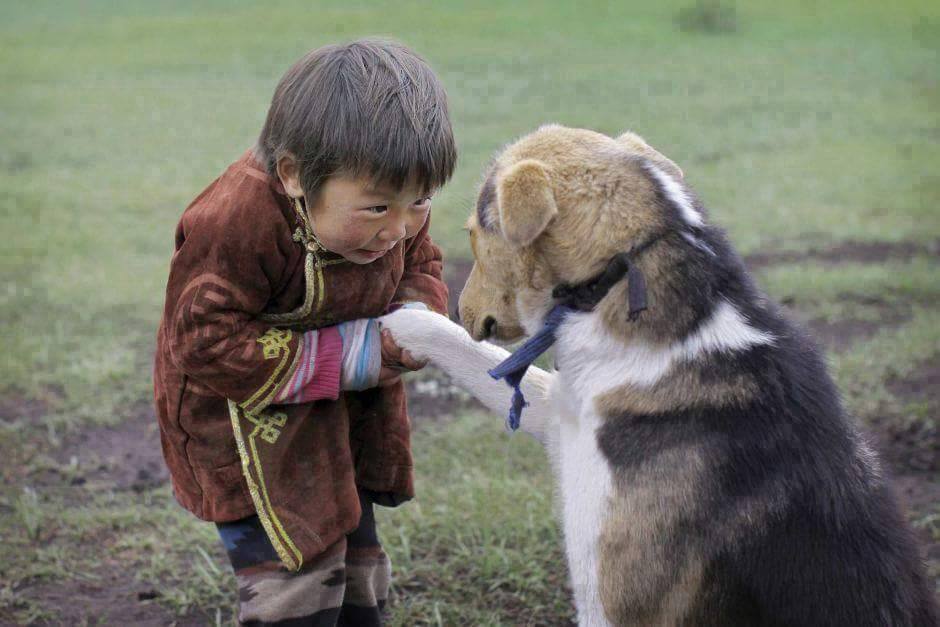
So here we have the abundant creativity of the universe at play. 20,000 years ago even before we began to build civilizations, while we humans were still eking out our basic needs by hunting animals and gathering and storing edible plant forms, a handful of wolves looked at what we were doing and liked what they saw. Presumably, they witnessed these strange primates walking around on two legs who appeared to be living in warm places and eating food on a fairly regular basis; and they wanted in on the action. Possibly just by staying close by and observing humans over time, engaging with them in little ways when they could do so safely, these individual wolves diverged from their counterparts, therein making a tiny adjustment in their genetic code.
There are now billions of dogs in the world, over 80 million in the US alone, more dogs than children. . .but only a few wolves. Some researchers have labeled this phenomenon, this thing of a few members of a species adapting in a spectacularly successful new way–“survival of the friendliest. “It looks like Homo Sapiens may have been the most cooperative tribal grouping, the friendliest of our human ancestors.
You know, evolution itself is an interesting and at times confusing concept. When human consciousness had finally evolved to the point that it could tolerate a young scientist named Charles Darwin talking about the fact that human beings have gone through various stages over the centuries, it sparked quite a tumultuous revolution. How we thought about our world changed.
Evolution is like that. It comes about when enough people are able mentally and emotionally to live on the precipice of thinking new thoughts and feeling new sensations. The first few people to think and feel in new ways are usually ignored, misunderstood and/or persecuted as was Darwin who was rather viciously vilified and rejected. Eventually, however, if the changes in perspective are grounded in a God-sanctioned evolutionary leap, they persevere and grow in strength.
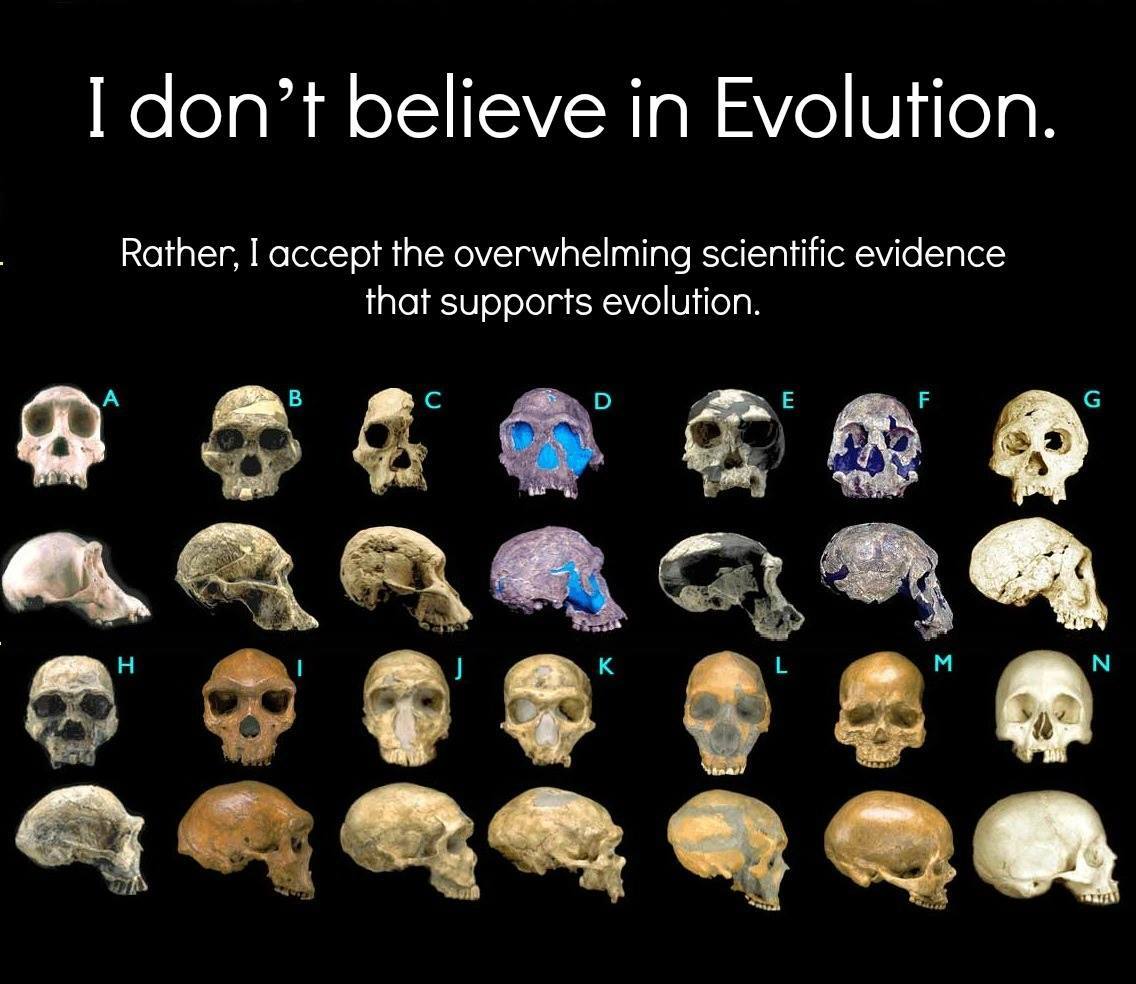
To this day people with minds that are more closed and hearts that are more limited, continue to reject the concept of evolution. Most of us, however, have recognized that human beings and the civilizations we create do indeed grow over time, sometimes in baby steps, sometimes in leaps and bounds.
One of the major ways we are changing currently is in the rebalancing of male and female energies. So, I think you will understand me when I say that a core concept that society has derived from Darwinian evolutionary theory, the concept of “survival of the fittest,” the idea that every species moves forward in a linear fashion to maximize its chances for survival is outdated. It needs an evolutionary upgrade. (BTW, Darwin himself did not promote survival of the fittest per se. This is simply how his work was interpreted by the culture around him.)
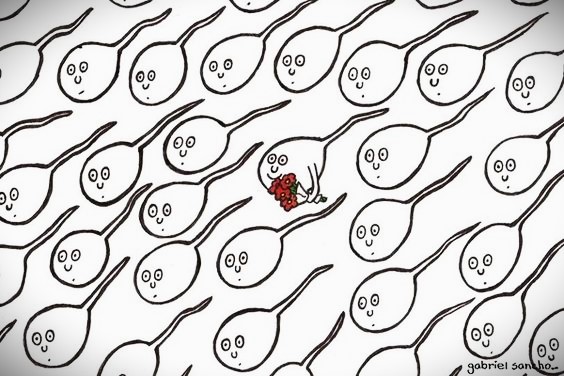
“Survival of the fittest” may have been the norm for the first few decades of looking at ideas about human evolution. It could be said that the Planet has needed a dominant male perspective to this point. We have needed to explore and map and develop and otherwise carve out a place for ourselves here on Earth. We may have–actually most certainly have–gone about this exploration/discovery/development phase in a maladaptive fashion to an alarming degree, but there is no mistaking the fact that “action” was needed for human animals to make a home on Mother Earth.
Now something entirely different is required. Now the connectivity, inclusivity, and nurturing aspect of life is what will bring us forward. More periods of recharge, reflection, and rest, along with time devoted to creative pursuits. cooperative projects and fun events with others is needed. Time for the female aspect in each of us to come forth, lead the way and flourish.
The universe has already shown us that how you win at the game of life is to make a few minor adjustments in DNA coding that predisposes one to new types of relationship such as ones that are more circular in nature. Welcome to “survival of the friendliest.”
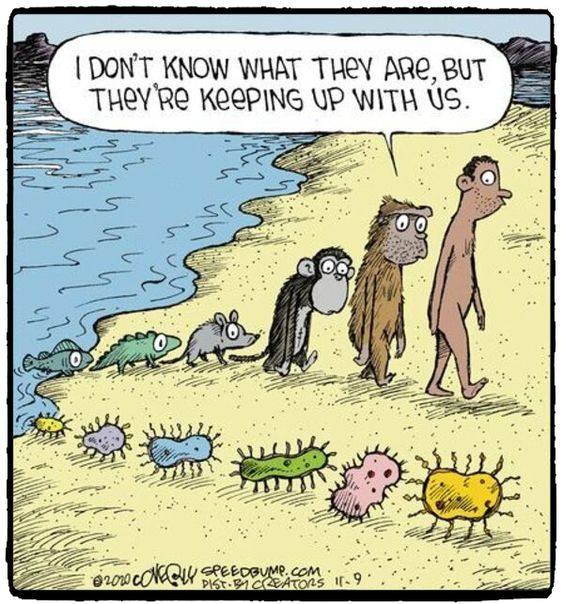
I truly believe that the people that are going to be getting through this next period of human history, those that are going to not only survive but thrive, will be those that exhibit a quality we might label “friendliness.” I also believe that those who cannot adopt such a pro-social attitude will continue to leave the Planet in great quantities, as well as those for whom it is just “time to go.” Social media seems to be reflecting these evolutionary changes we are making. It is awash with memes and stories and images reminding people that we are all vulnerable, encouraging people to be kind, to realize that even the smallest of our words and actions can have huge impacts, to attend to our own self care while giving back to the community where we can, extending to others a hand up, etc.
Let me share some initial thoughts, however about what kind of pro-social behavior–friendliness or kindness or empathy or compassion or whatever else you call it–is needed.
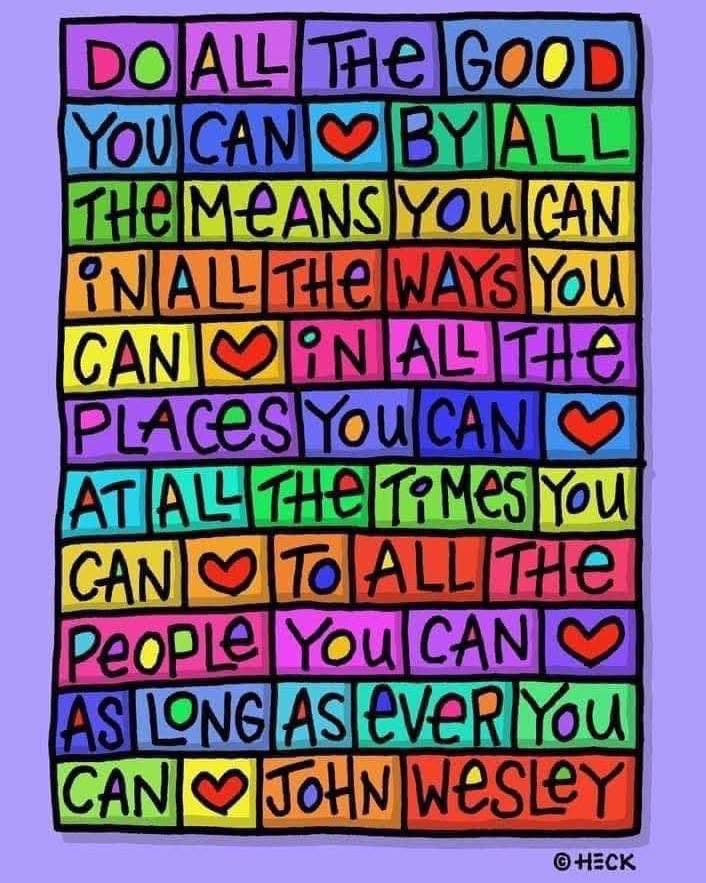
“Survival of the friendliness” isn’t about how you present yourself to the world. It is not surface stuff. People who present as introverted can be every bit as friendly as those that are extroverted. They are just quieter about it. People that are giving to others in a very prominent public ways are not necessarily motivated by pro-social aspirations. They might just be noisy and seeking praise and attention.
“Survival of the friendliness” isn’t about being polite to people. Good manners can often be useful, but they can also be limiting and deceitful. Sometimes the kindness thing you can do is directly and unabashedly speak truth to power, walk away from a bully, loudly refuse to engage in injustice. The friendly part is what is going on in your mind and heart.
“Survival of the friendliness” IS about being appreciative of, grateful for, and infinitely curious about every single person that shows up in your life, no matter whether they are a saint or an asswipe. The inclusion piece comes from knowing that spiritually, you and the other person have come together for a learning opportunity that you need to welcome, even if what you are healing in yourself by the interaction is uncomfortable.
“Survival of the friendliness” is about bearing witness rather than necessarily taking action even in the most egregious circumstances. You honor the other person by being along for the ride, bringing with you your neutrality, no matter how much their suffering may tug at your sense of responsibility. In your own heart resides the compassion that they may or may not seek; may or may not recognize. They can bask in this friendly fire and let it warm their soul, whether or not anything further happens on the outside.
Any action is supplemental. Being is the thing.
So, my friends, be the bright lights that you are. Participate in life from wherever you are at and know that our God-given spiritual and physical evolution will take care of the rest.
Copyright by the Rev. Dr. Resa Eileen Raven, 2024
 Church of the Harvest
You must be logged in to post a comment.